White, S.D. 2006
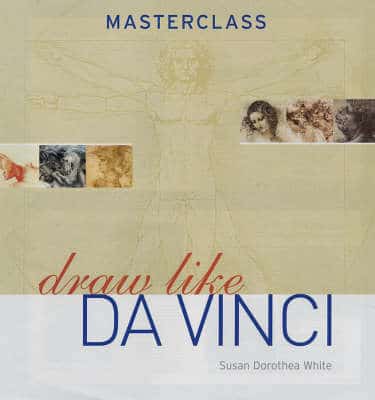
White, Susan Dorothea. Draw Like da Vinci. London: Cassell Illustrated, 2006. (Type: Book) Visit link
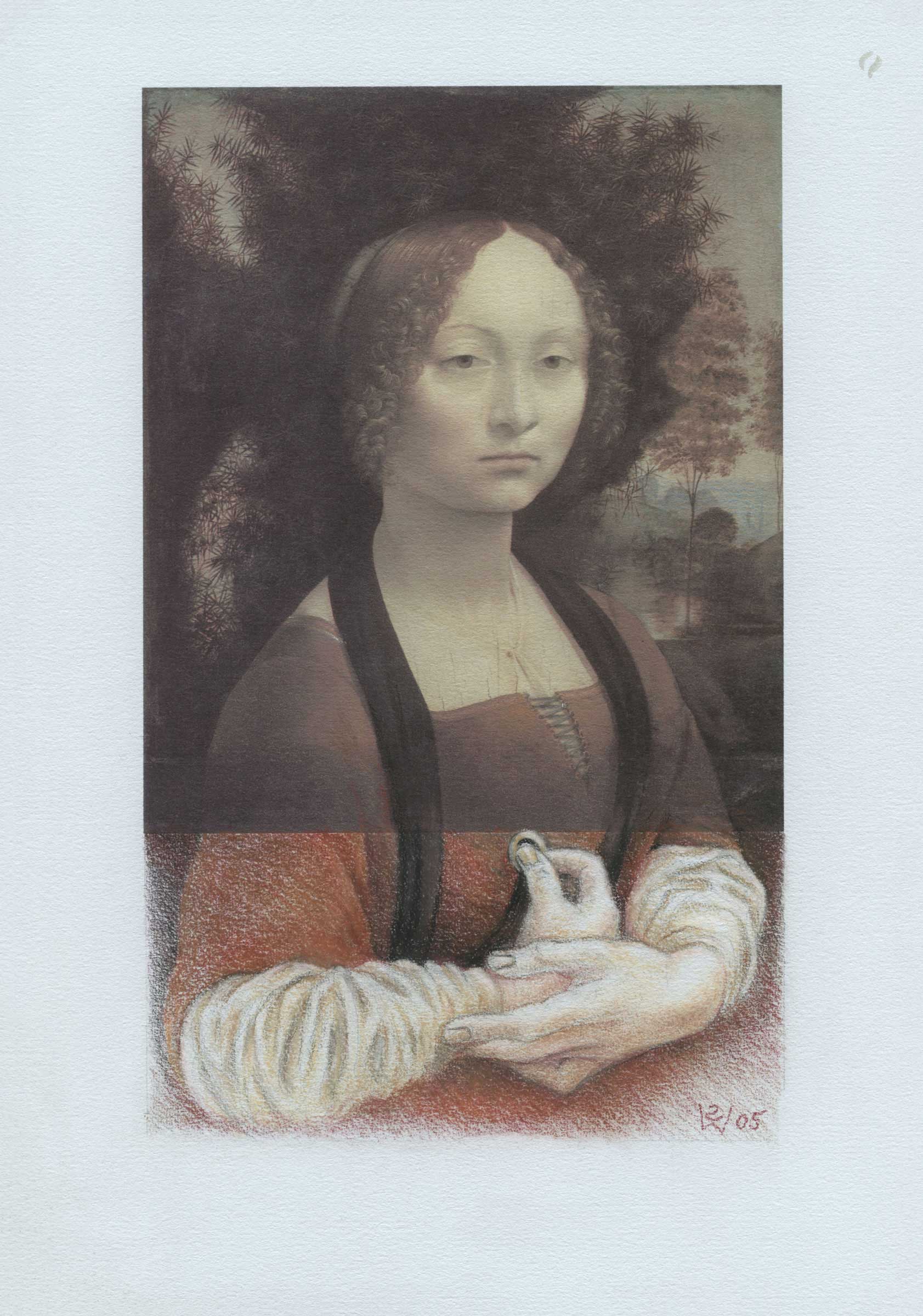
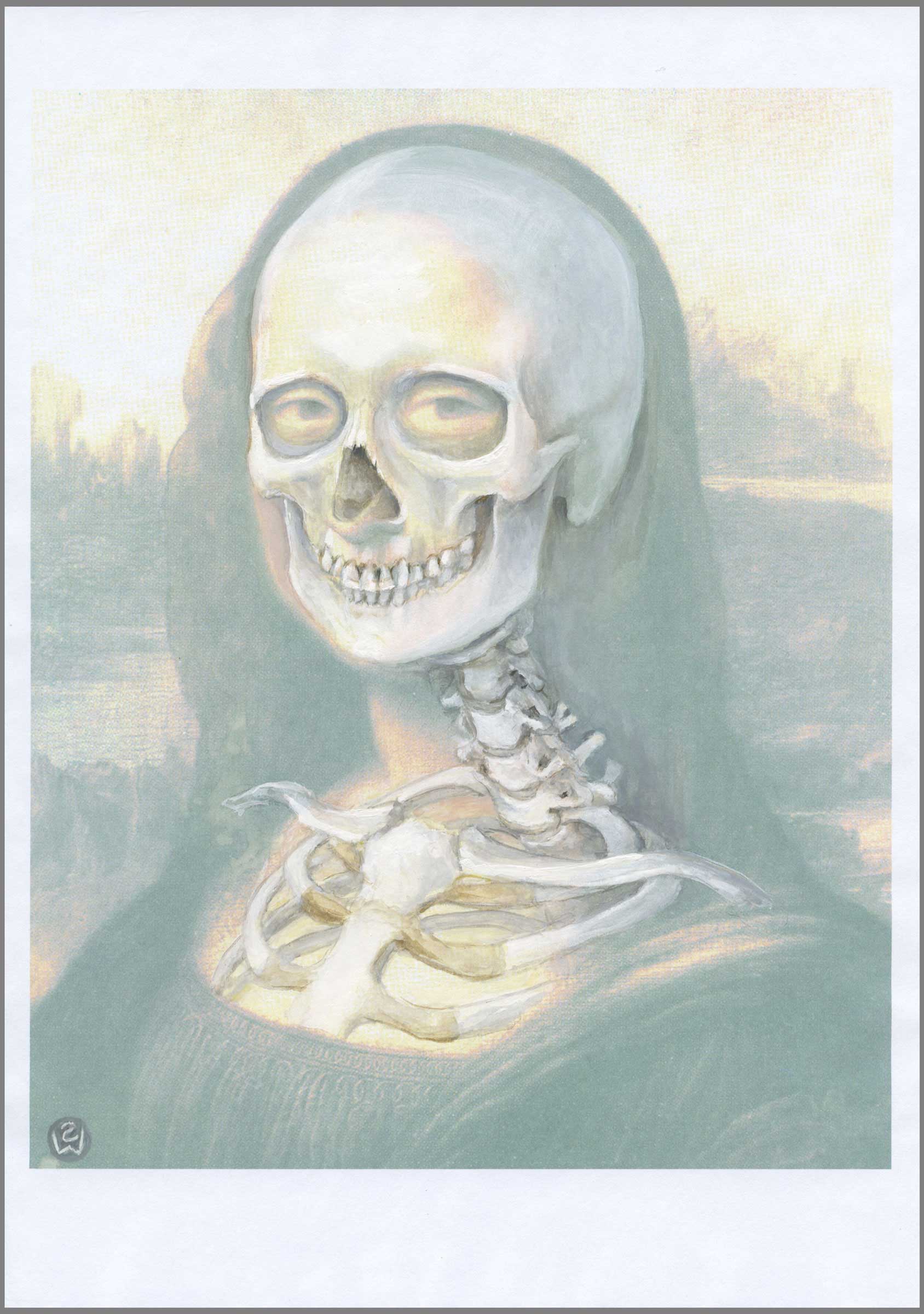
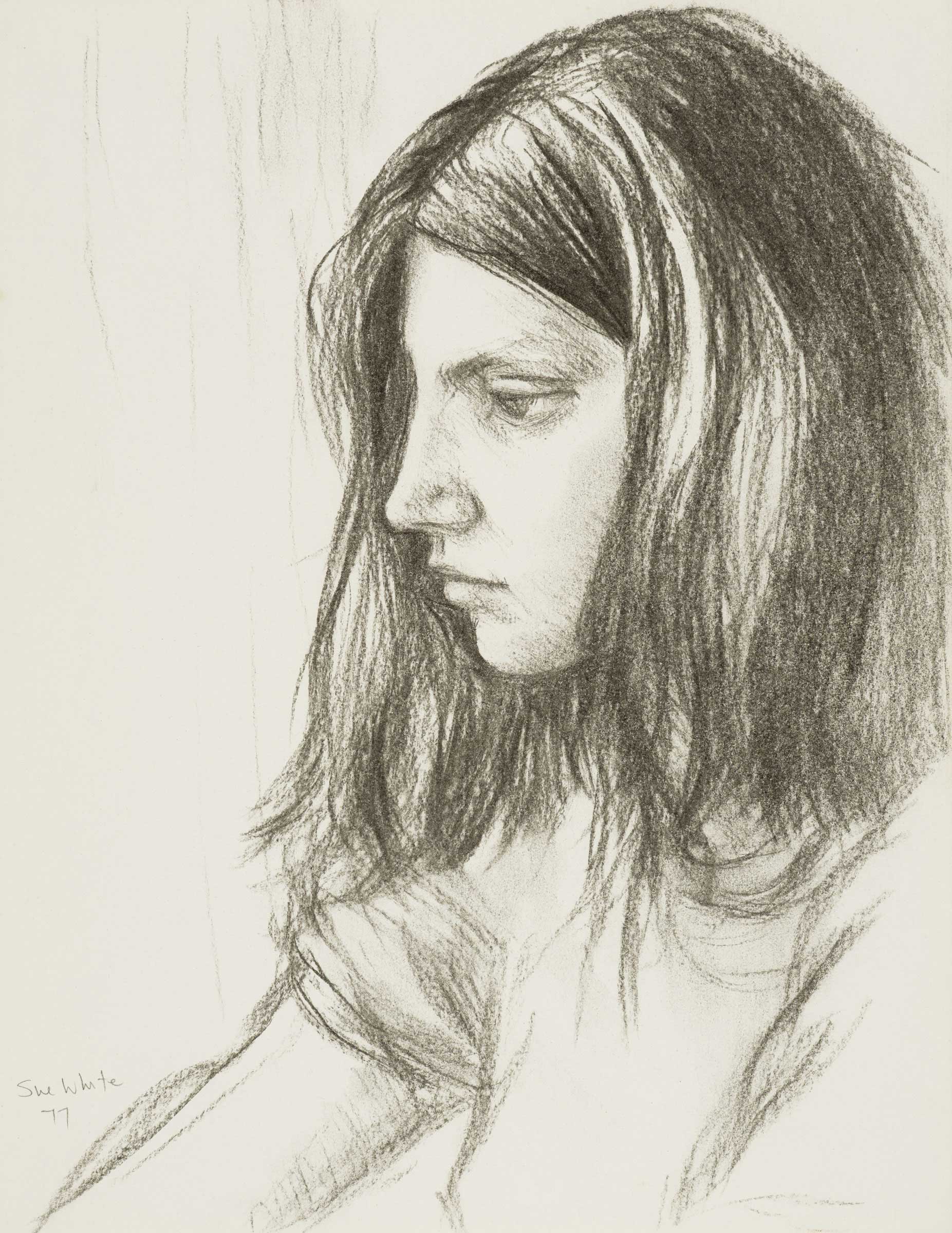
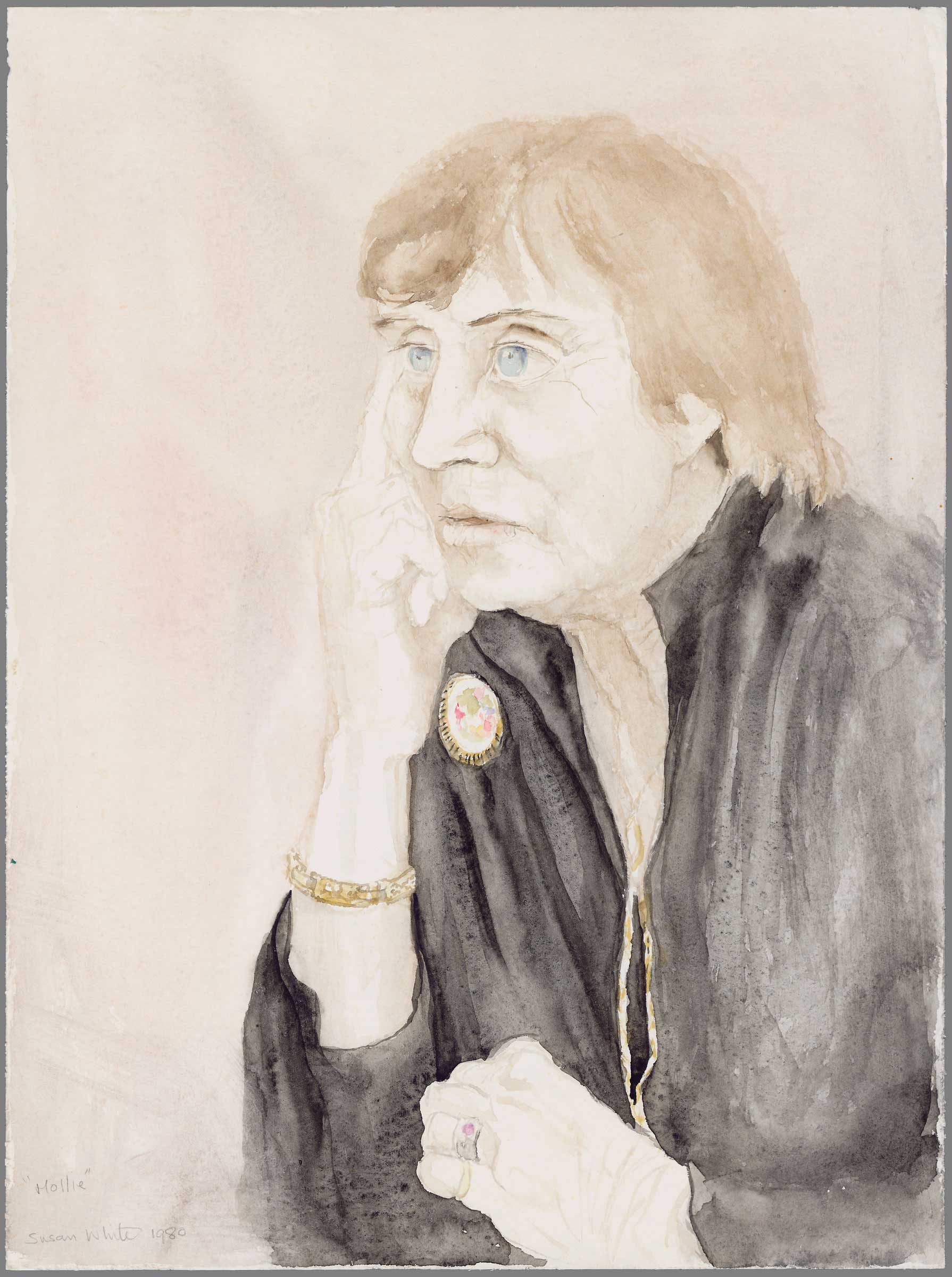
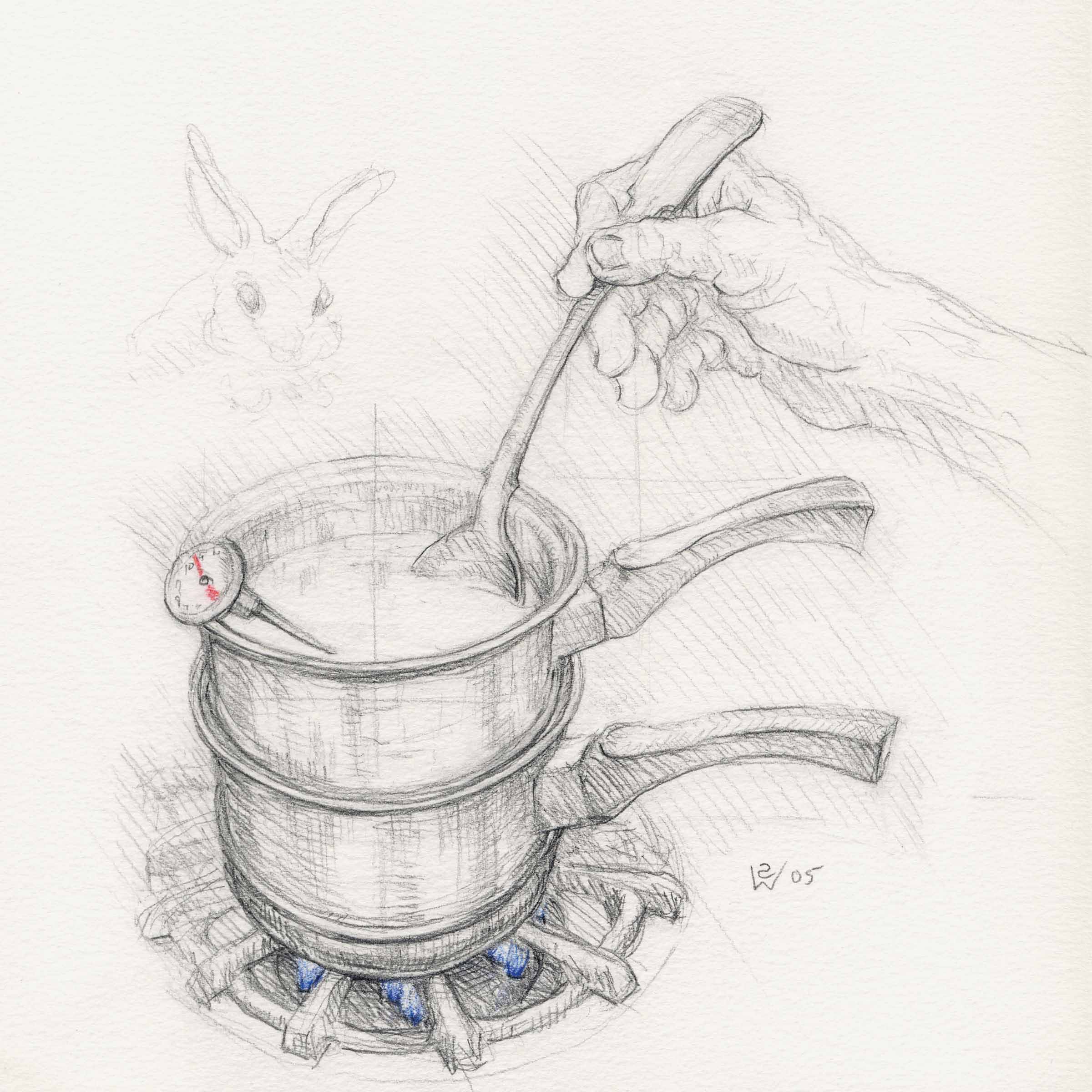
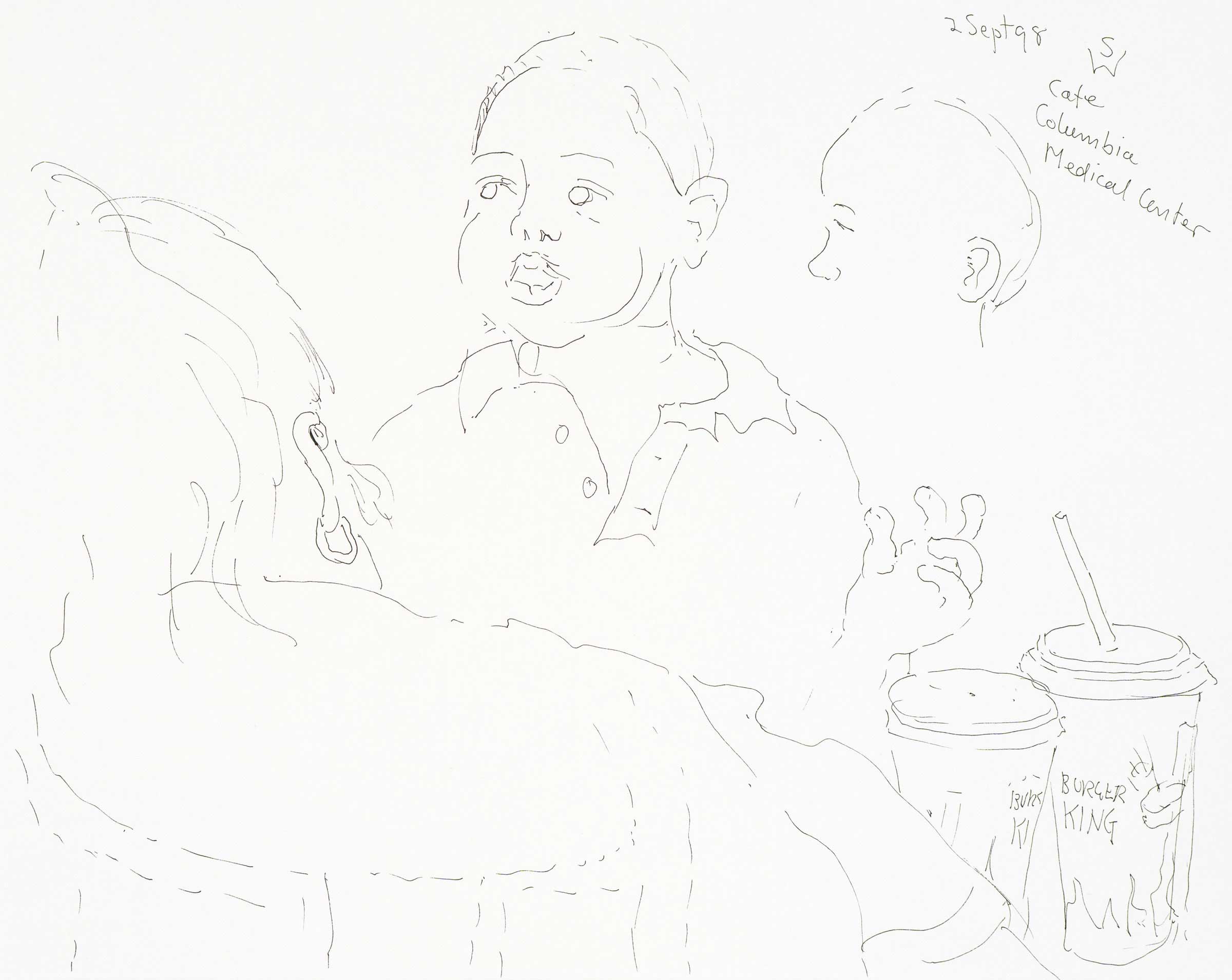
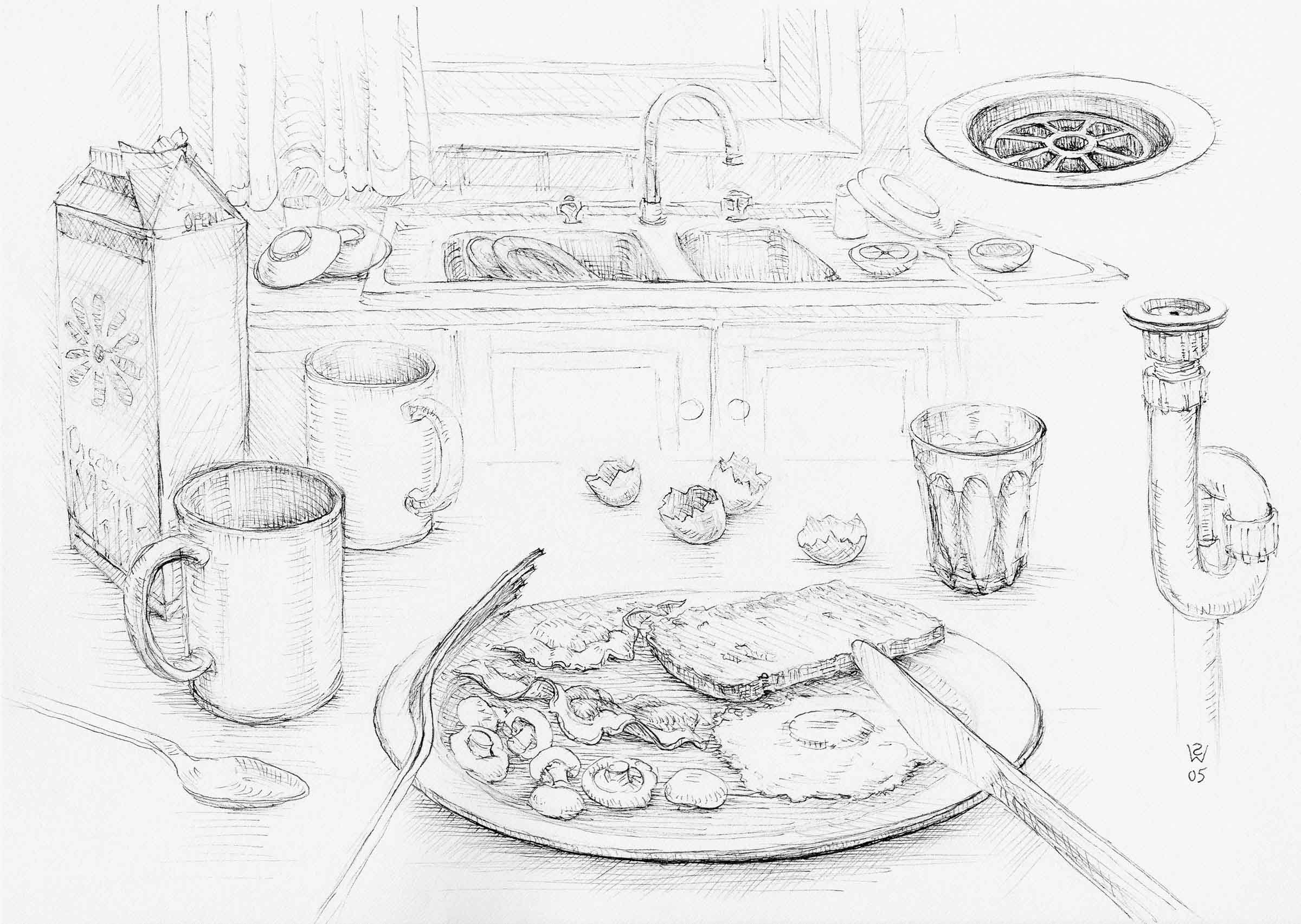
Written and illustrated by Susan Dorothea White with over 100 of her drawings; published by Cassell Illustrated, London, 2006. Also published in French: Dessiner à la manière de Léonard de Vinci (Paris: Eyrolles, 2007); Danish: Lær at tegne som Da Vinci (Stockholm: Bonnier, 2006); Hungarian: Rajzoljunk úgy, mint Leonardo da Vinci (Budapest: Kossuth, 2006).
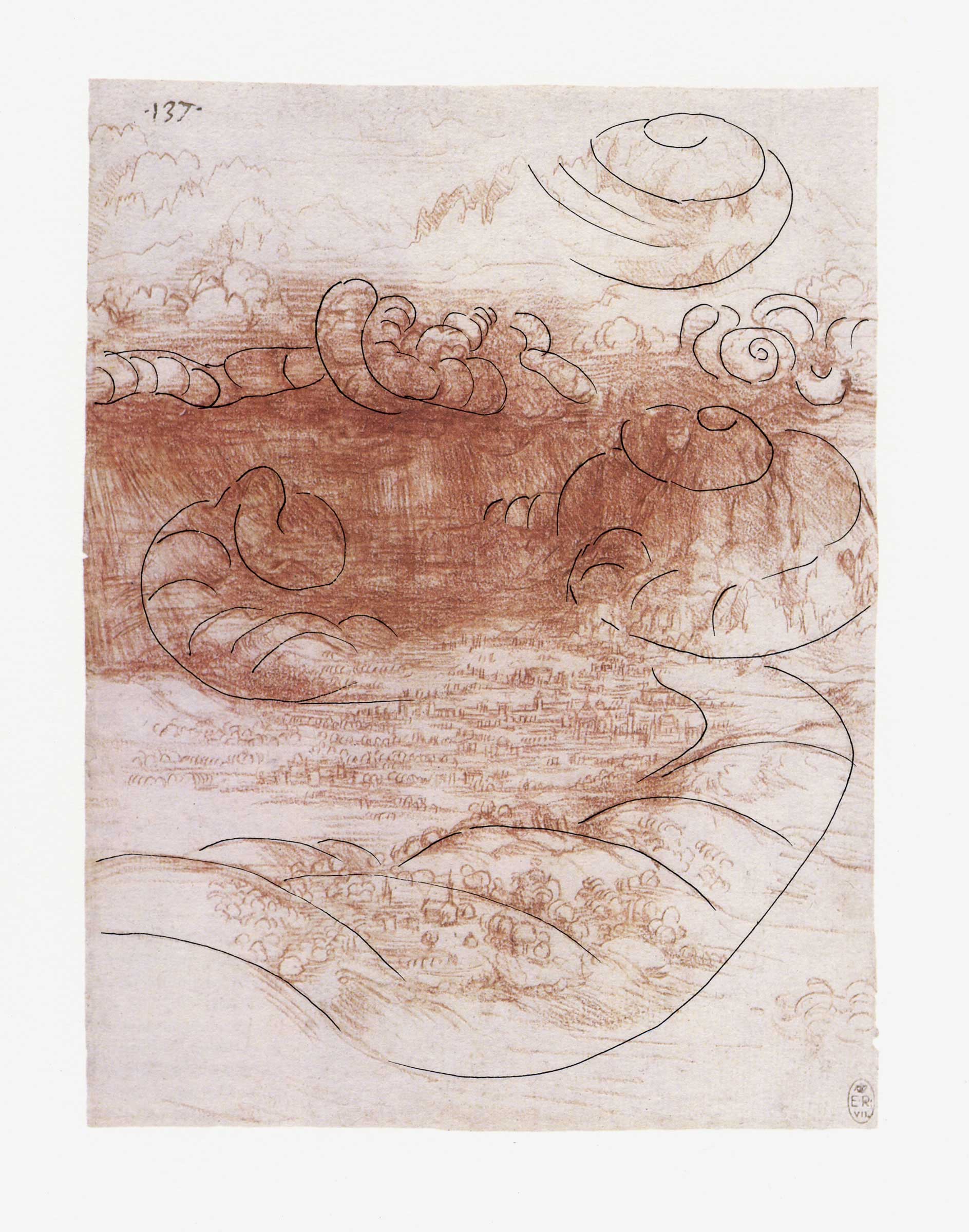
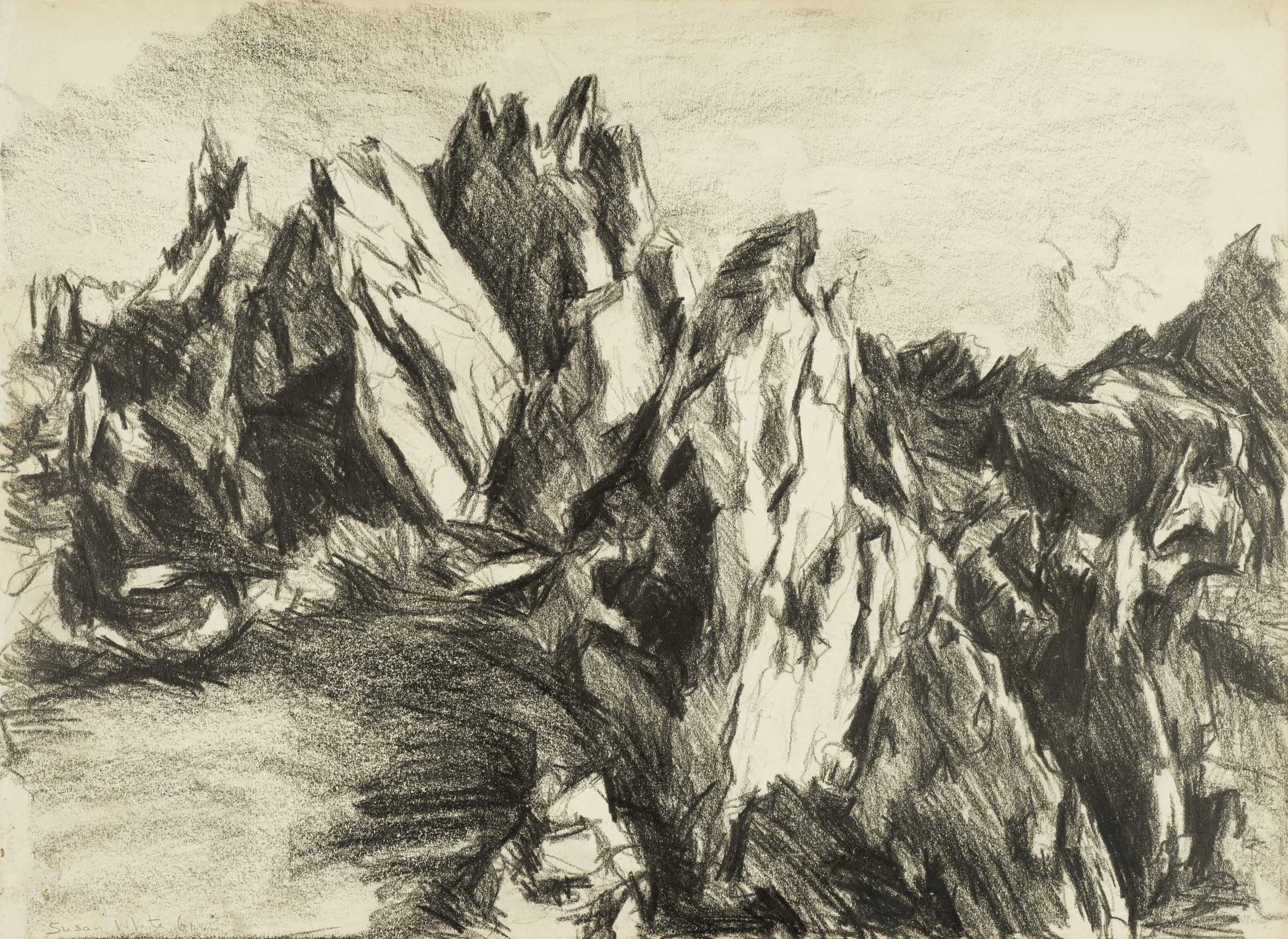
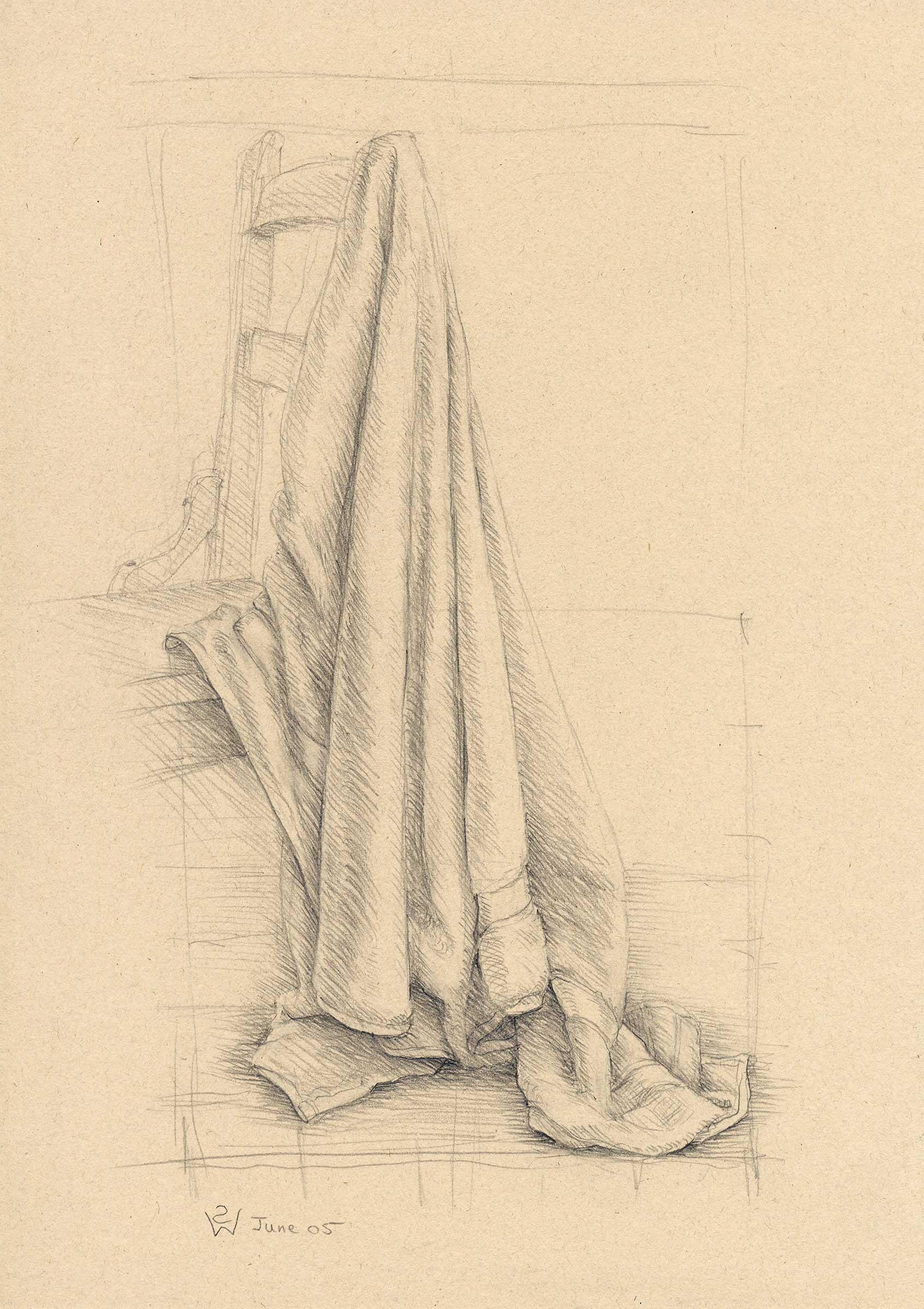
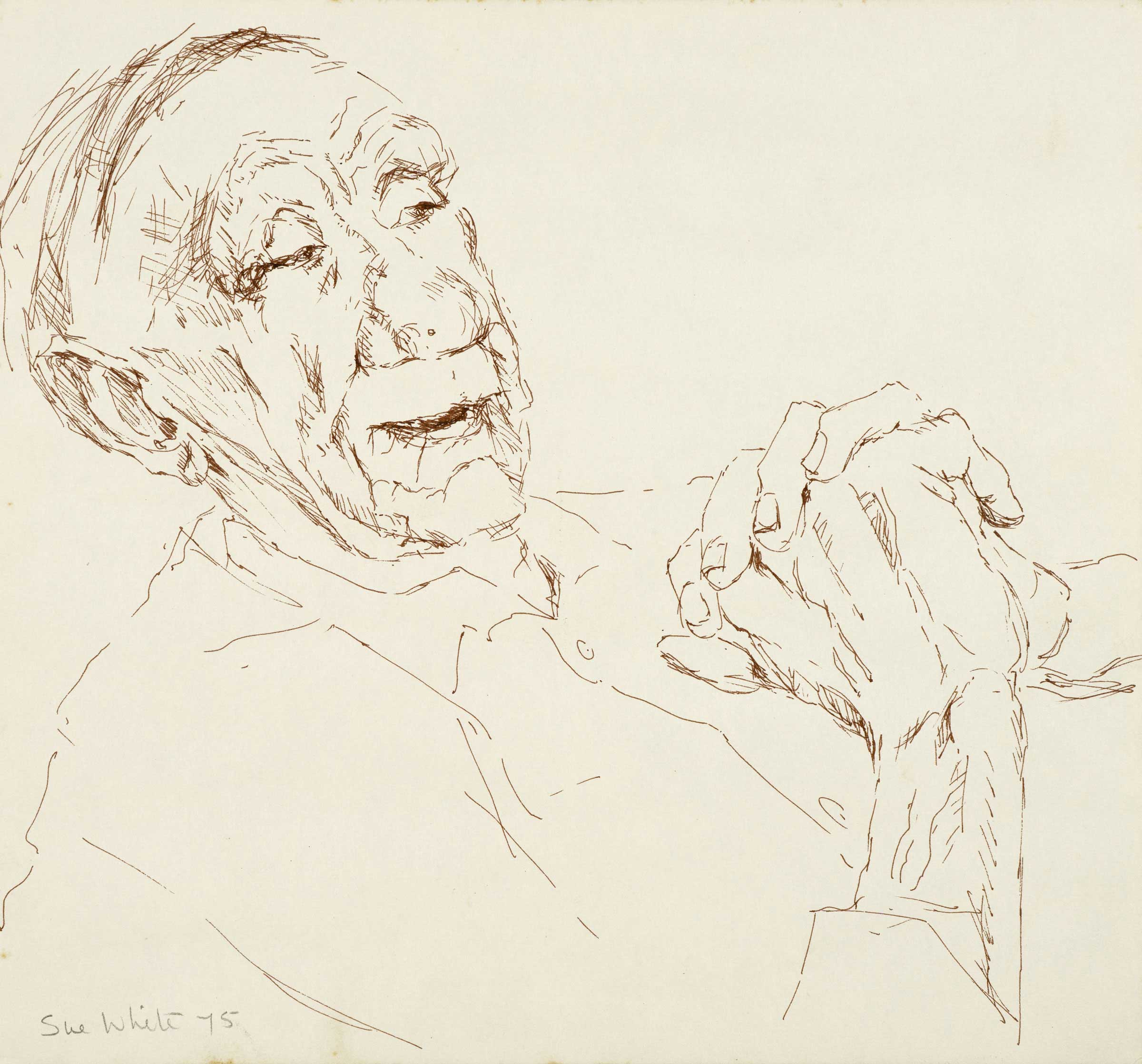
Before picking up a pencil themselves, most people’s first experience of art is to admire the work of past masters. But how did our great artists achieve their effects? Choose their materials? Define their approach? In this innovative new art series, experienced artists use the work of some of our most famous artists – in this case Leonardo da Vinci – as a starting point for teaching technique, methods and skill.
Learn to think and draw like da Vinci by understanding how he approached his subject matter – whether still-life, animals, plant-life or the human form – dealt with perspective, line weight, light and shade and character. Then use his experience to formulate your own skills, improving your mastery of the art of drawing.
A fantastic resource for anyone wanting to develop their drawing skills, Draw Like da Vinci passes on the secrets of artistic success in easily attainable projects.
The aim of this book is to interpret da Vinci’s vision, and to teach visual literacy under his guidance so that the reader gains know-how in artistic expression. The mysteries of da Vinci’s art are unravelled through practical step-by-step exercises in drawing, and by demonstrations of the essential skills required to draw like him.
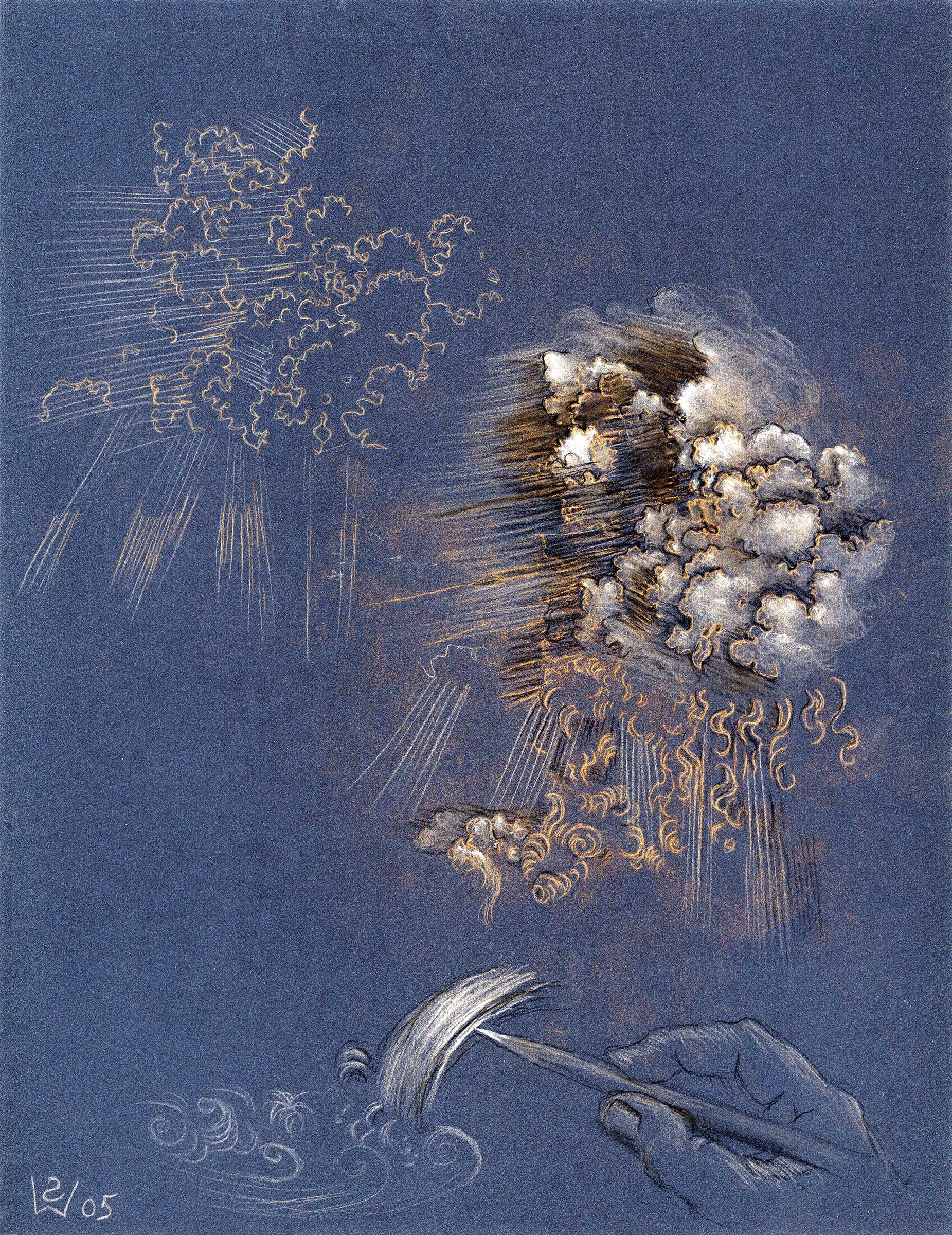
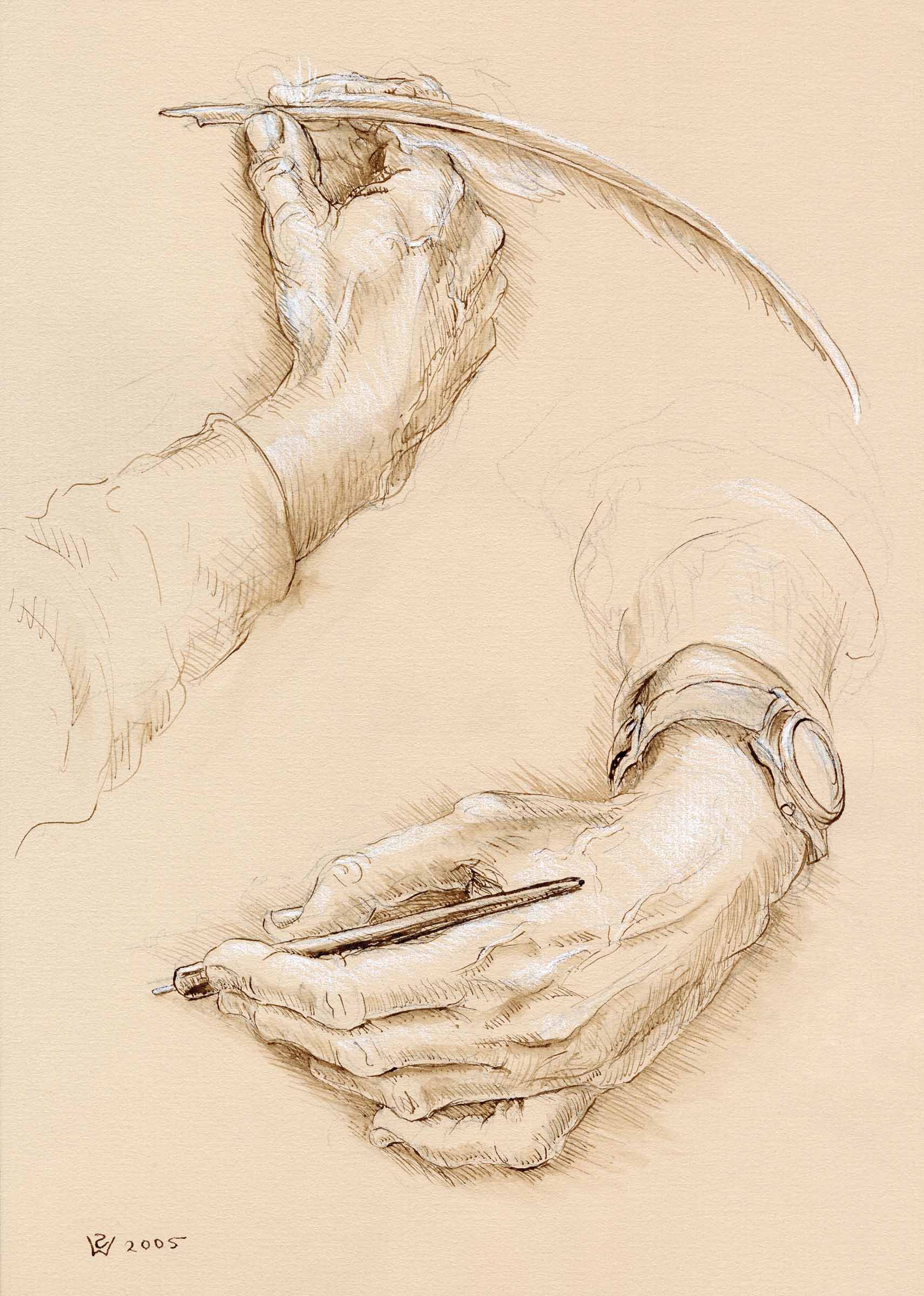
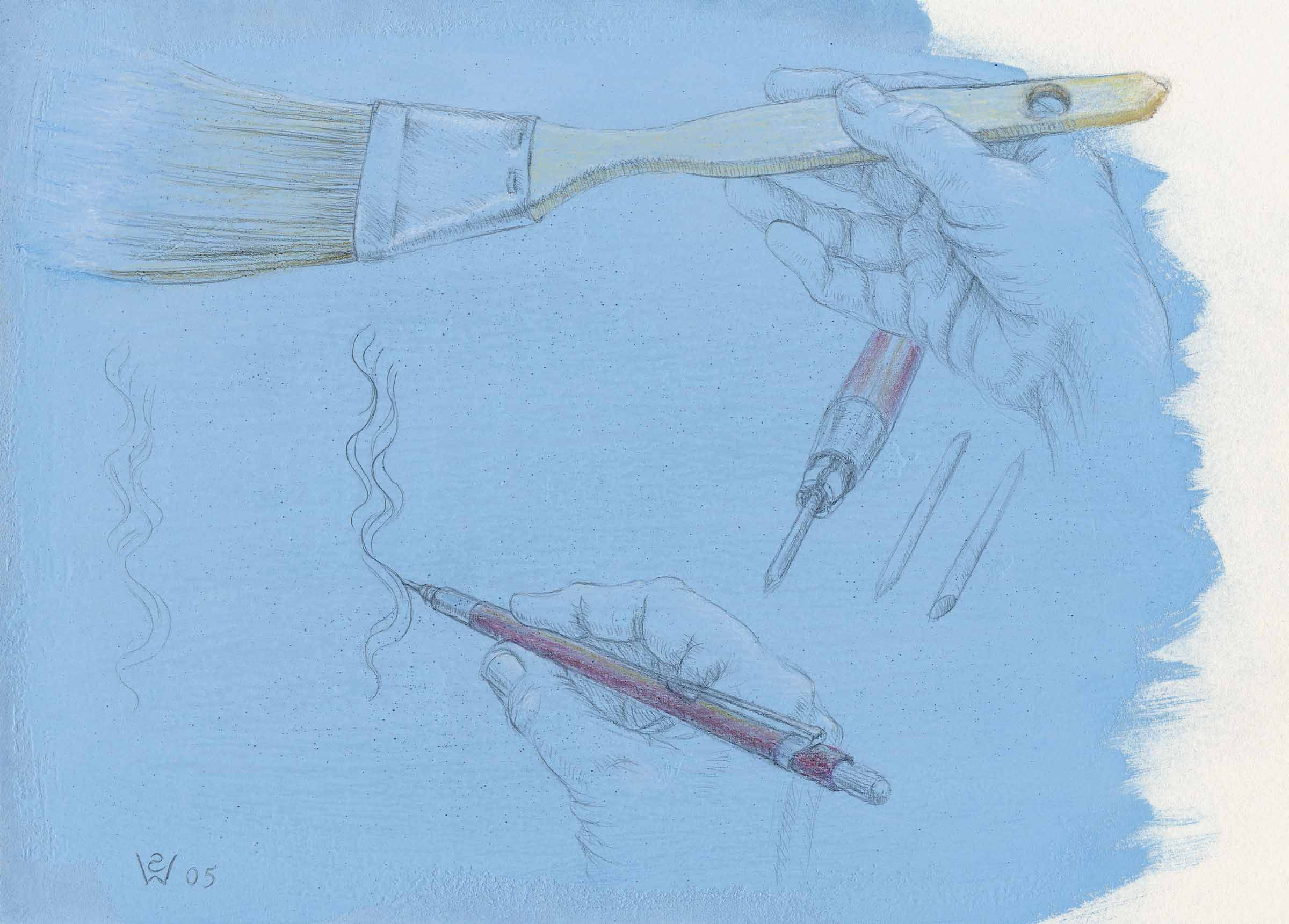
Da Vinci’s drawings are deciphered, and the mind’s eye trained in visual perception and comprehension. Drawing materials and techniques are described, from metalpoint and prepared grounds to those still in use today, such as chalk and pen and ink. Some traditional techniques are adapted to modern materials. Experimental ones, such as goldpoint on emery paper, are introduced.
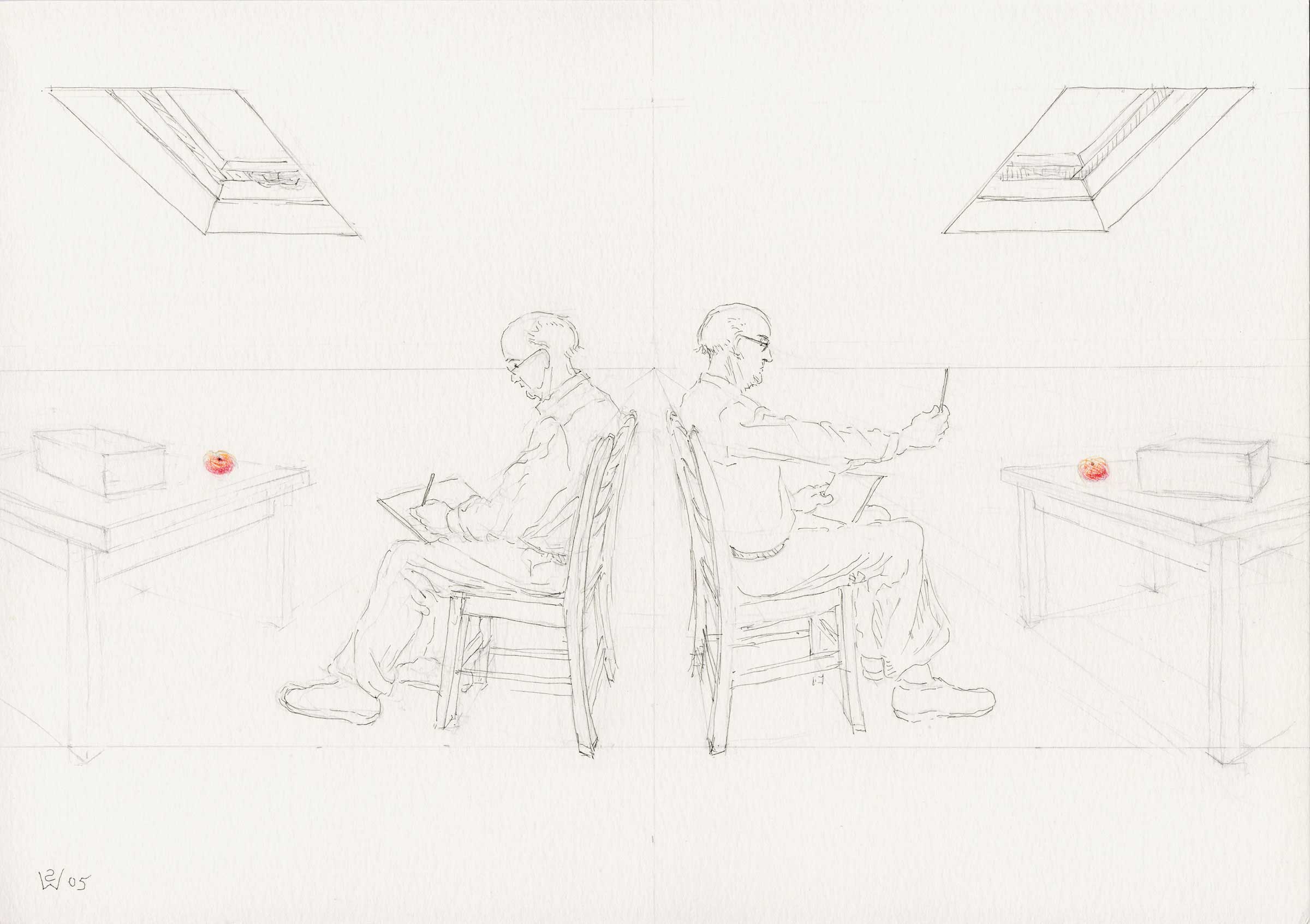
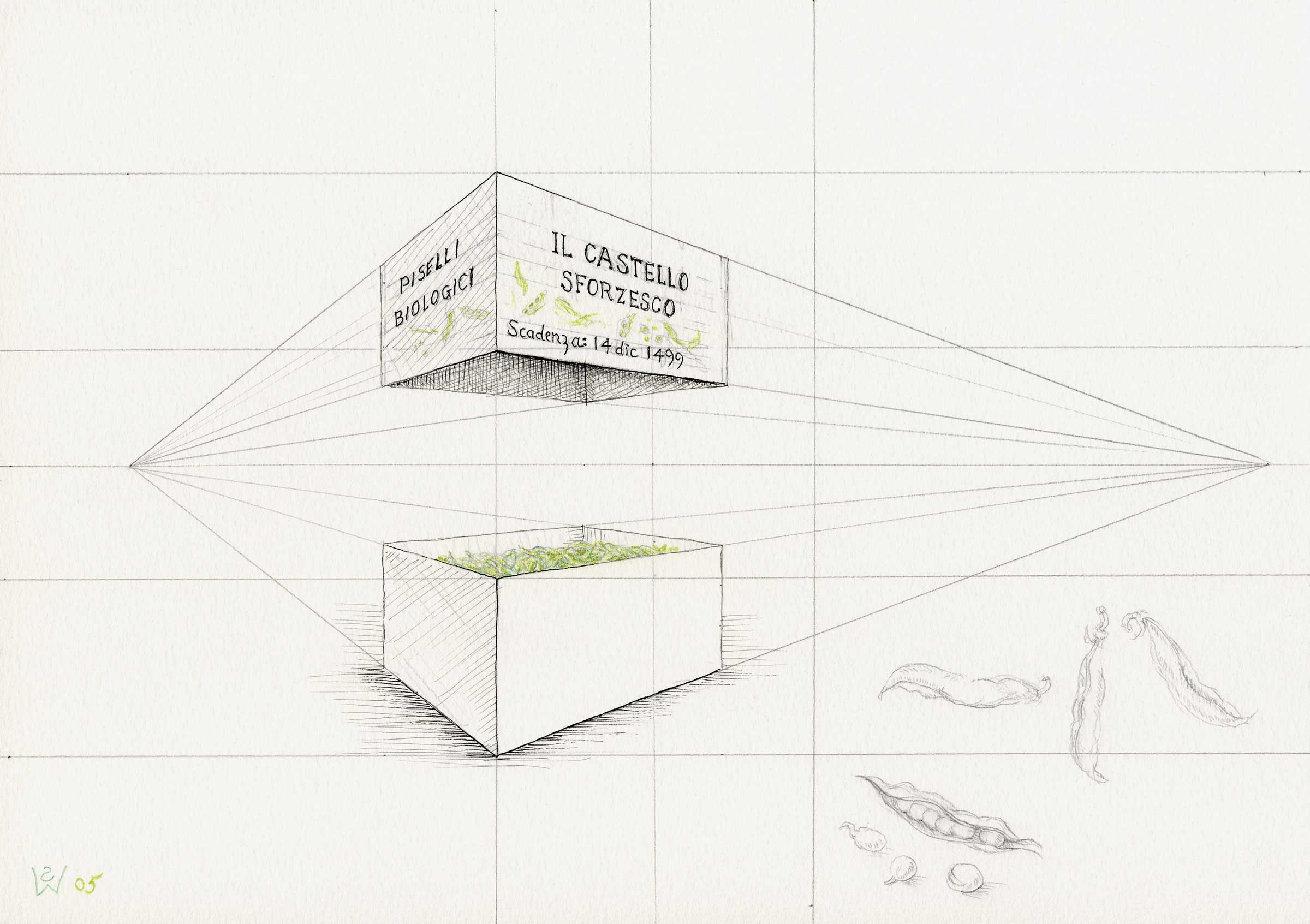
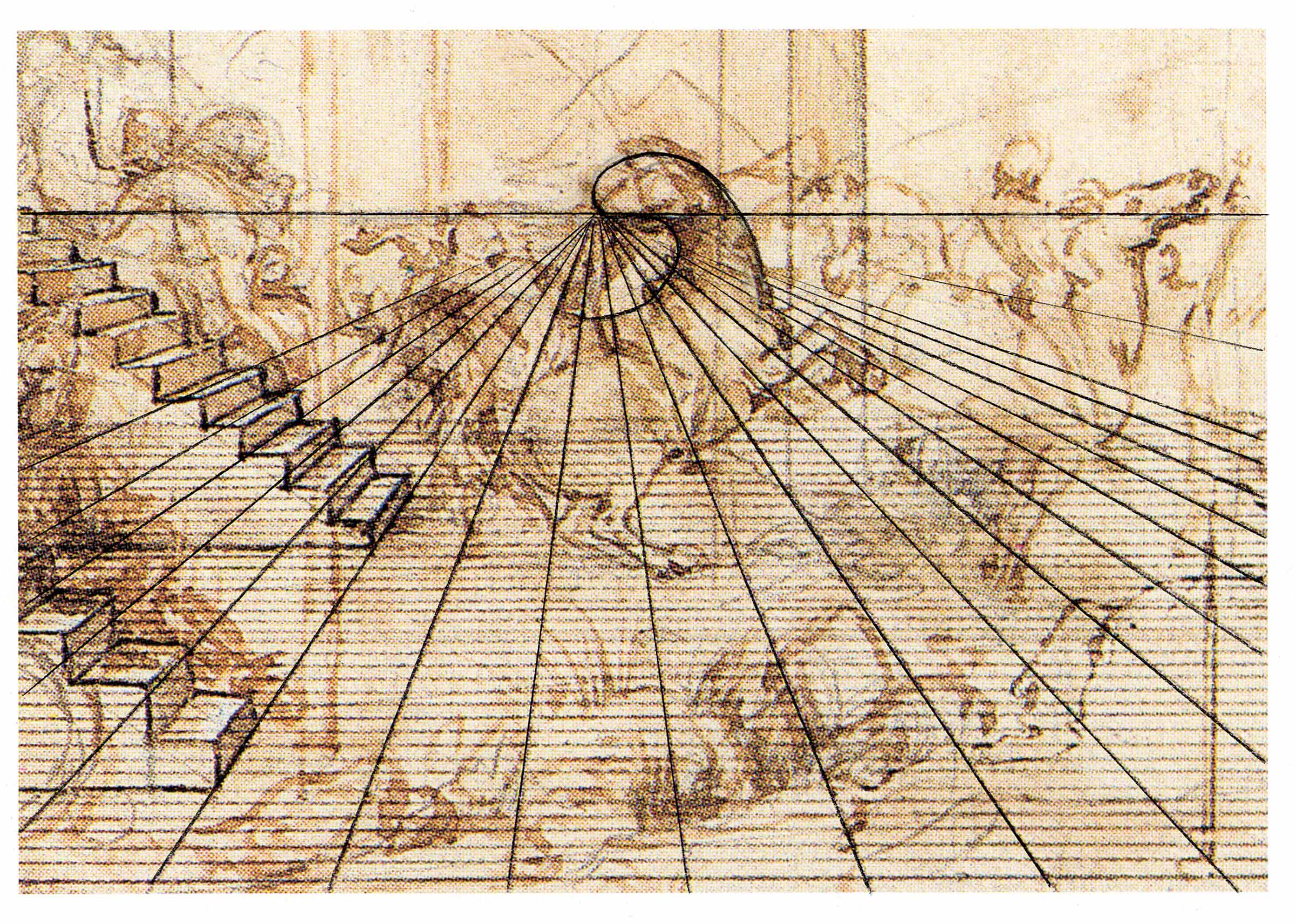
By learning to draw the shapes of forms using perspective and proportion, by seeing different planes and angles and by recognising shapes of spaces with as much ease as the shapes of form, you will be able to draw like da Vinci. The book aims to explain da Vinci’s approach to perspective and proportion in a novel and entertaining way, to make them easy to comprehend. There are some ideas that may interest the scholar and stimulate debate.
The task of selecting drawings from the output of this protean genius was daunting; choosing what to exclude was agonising. Da Vinci’s universal vision can be appreciated by this maximalist list of subjects – horses, dogs, cats, ermines, birds in flight, tiny violets, blackberries, oak trees and acorns, grasses, mountains, rivers, trees, bird’s eye-views of landscapes, the moon, avalanches, tempests, town planning, geographical maps, architectural plans, pictographs, polyhedrons, inventions, flying machines, musical instruments, tools, drawing implements, inventions of monumental significance, devices for bronze casting, studies on the flow of water, gears, optics, studies of light and shade, human and animal anatomy, organs, coitus, fetuses, battles, madonnas, drapery, emblems, allegories, ideas for harnessing solar energy…
Da Vinci was left-handed. The book is designed for the dextrous, as well as the sinistrous, making it user-friendly for the right-handed majority as well as for the left-hander. (Some of the drawing techniques of da Vinci are demonstrated in reverse, so that lines are orientated in the appropriate direction for right-handers.)
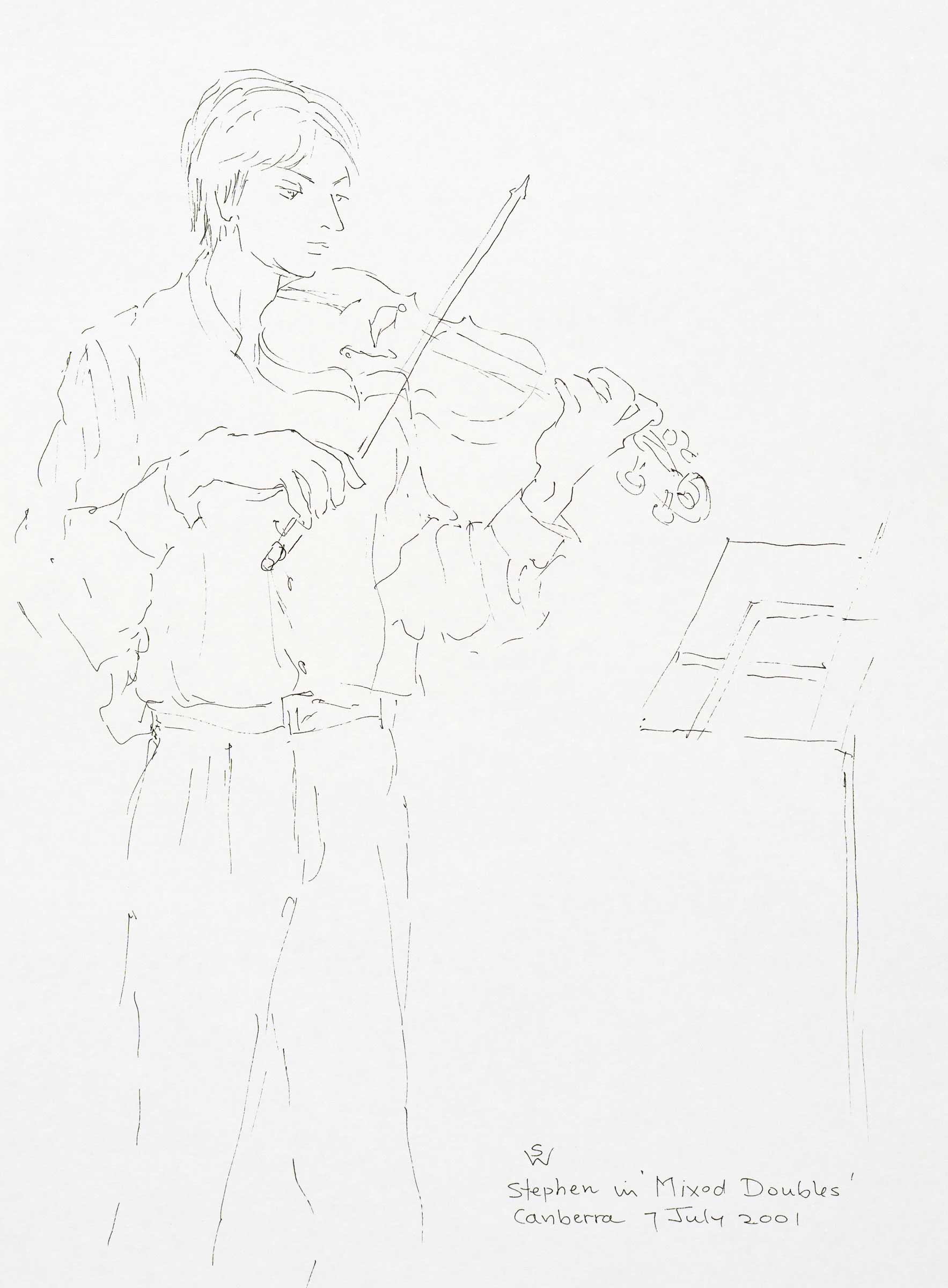
Quotations from da Vinci’s philosophy and his advice to artists and students are included. He recommends that the student study and copy the works of masters – what better mentor to follow than da Vinci himself! I hope to show that drawing is rewarding and enjoyable under the guidance of the greatest draftsman in history.
Poor is the pupil who does not surpass his master.

.jpg)

.jpg)
,-Flying-Time).jpg)